Home

CHANGFENG

Our Case

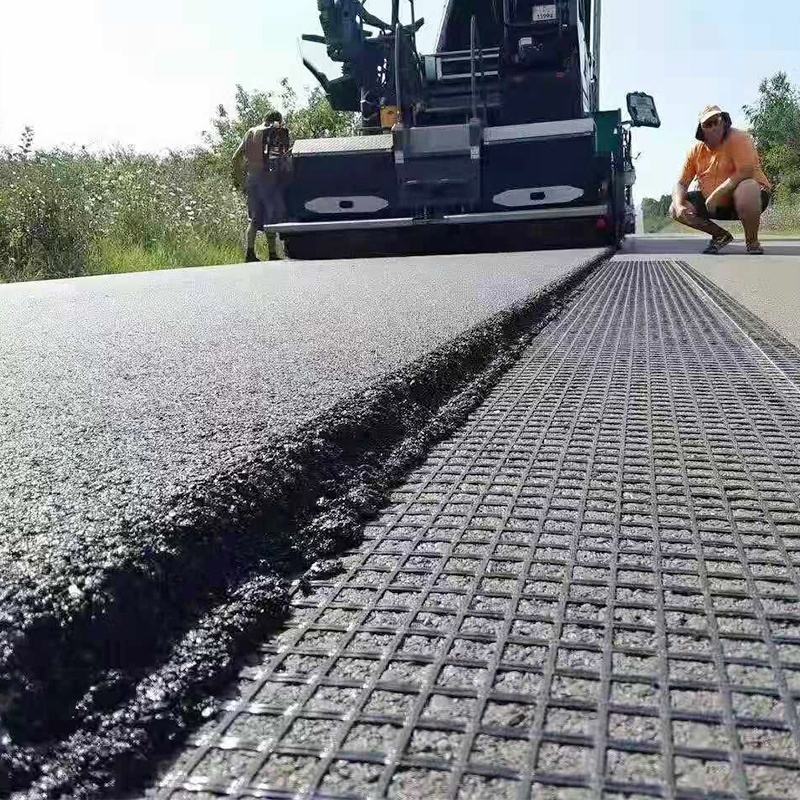
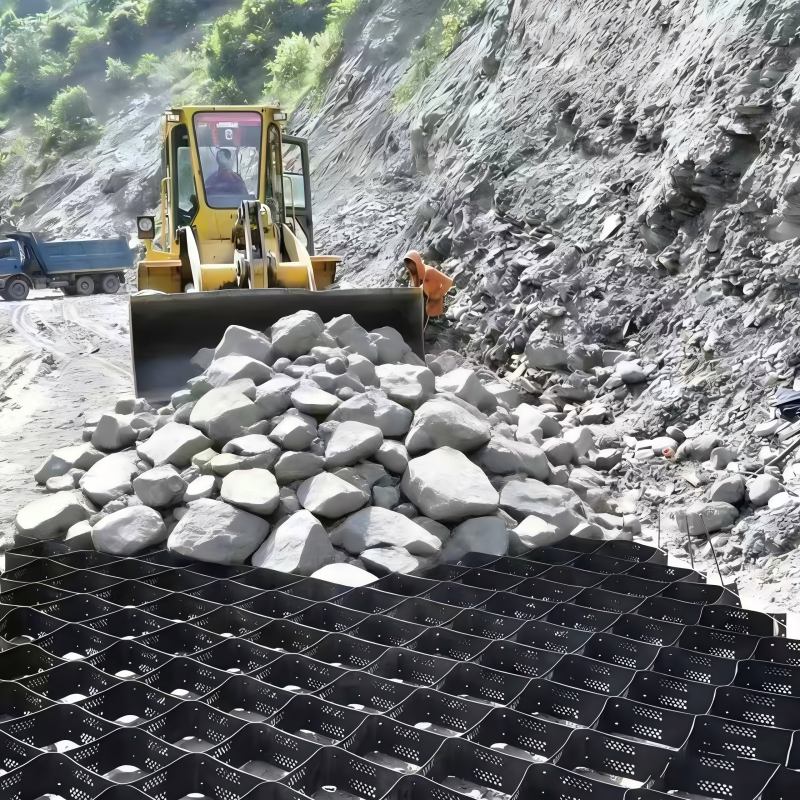
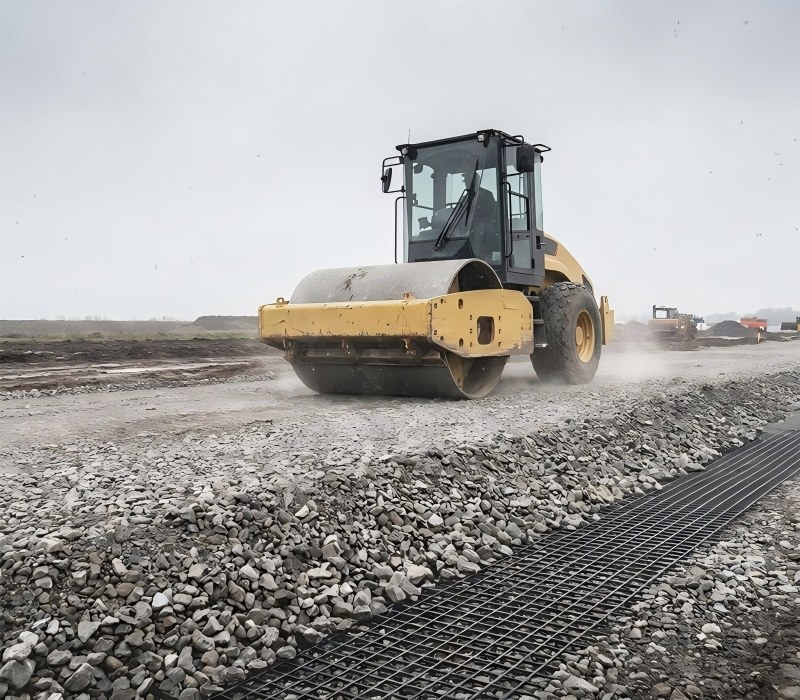
Roadbed Stabilization for Eastern Africa Highway Project

Strengthening National Infrastructure: Roadbed Stabilization in Eastern Africa
Read More

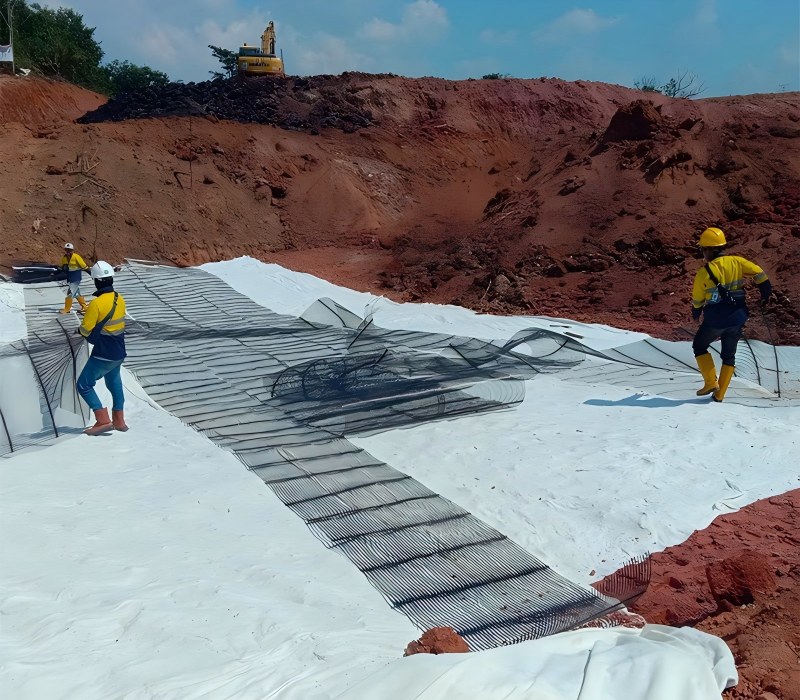
Working Platform Stabilization for UK Wind Farm

Powering Sustainability: Secure Working Platform for UK Wind Farm Construction
Read More

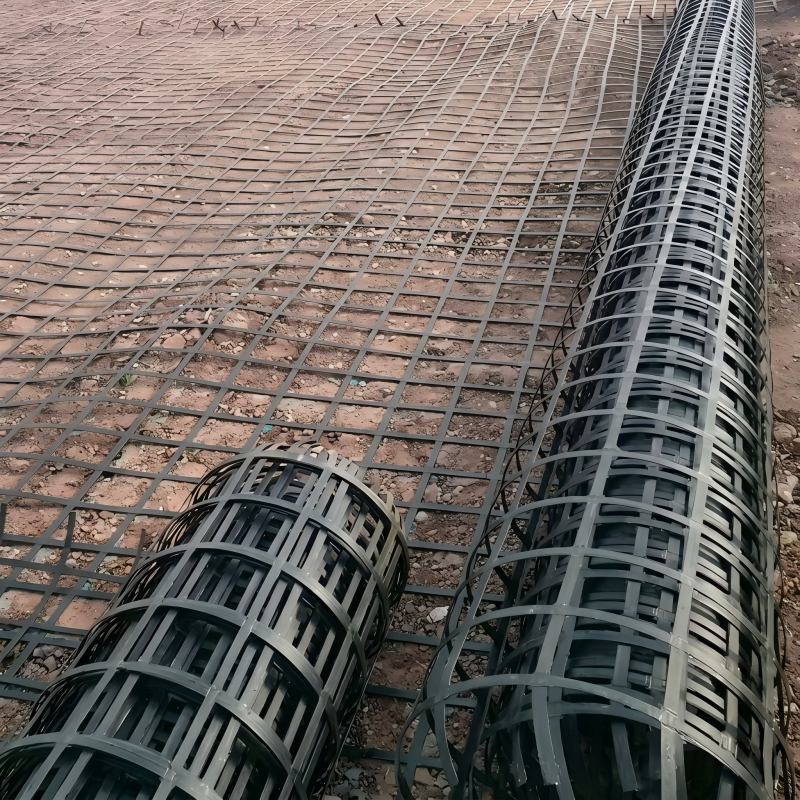
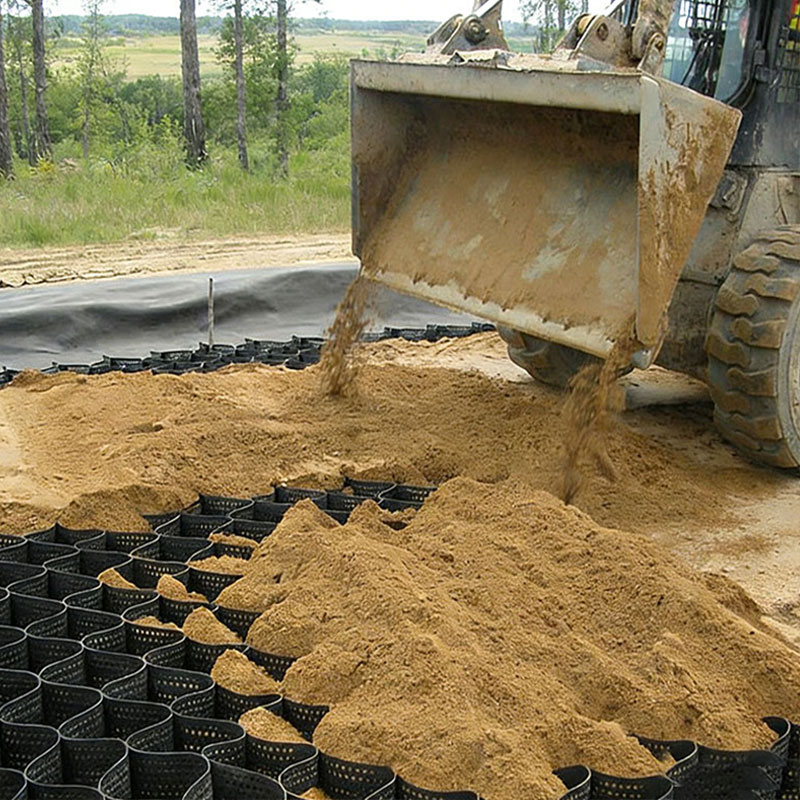
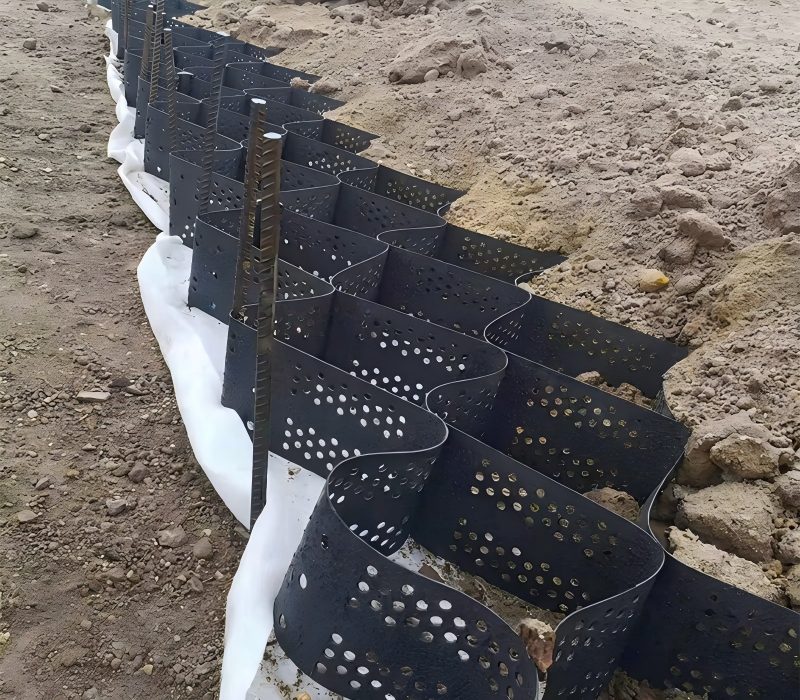
Composite Geogrid Secures Heavy Tracks on Soft Ground

Stabilizing the Path: Heavy-Duty Access Tracks on Soft Subgrades
Read More

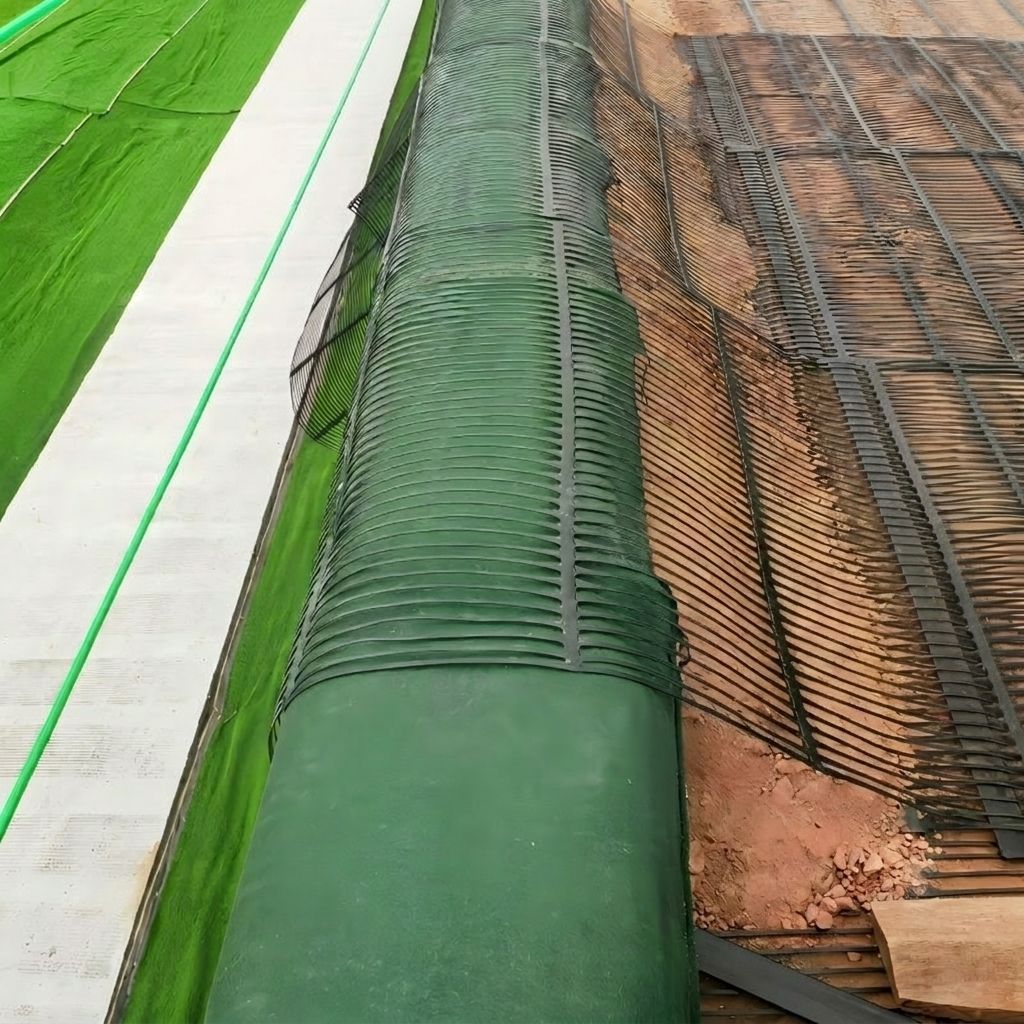
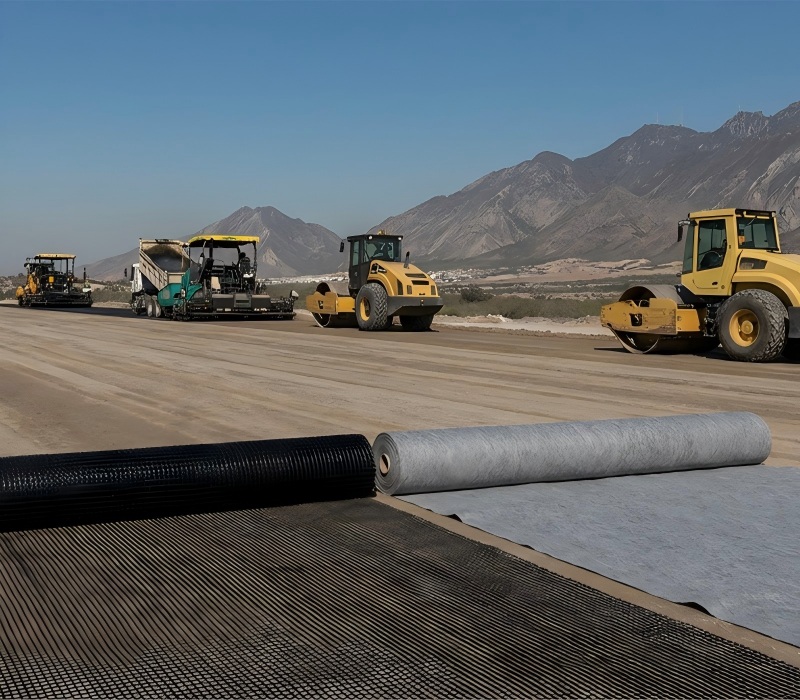
Stabilizing Highway Infrastructure in Monterrey, Mexico

Overcoming expansive soil challenges with High-strength Biaxial Geogrid & Filament Non-woven Geotextile.
Read More

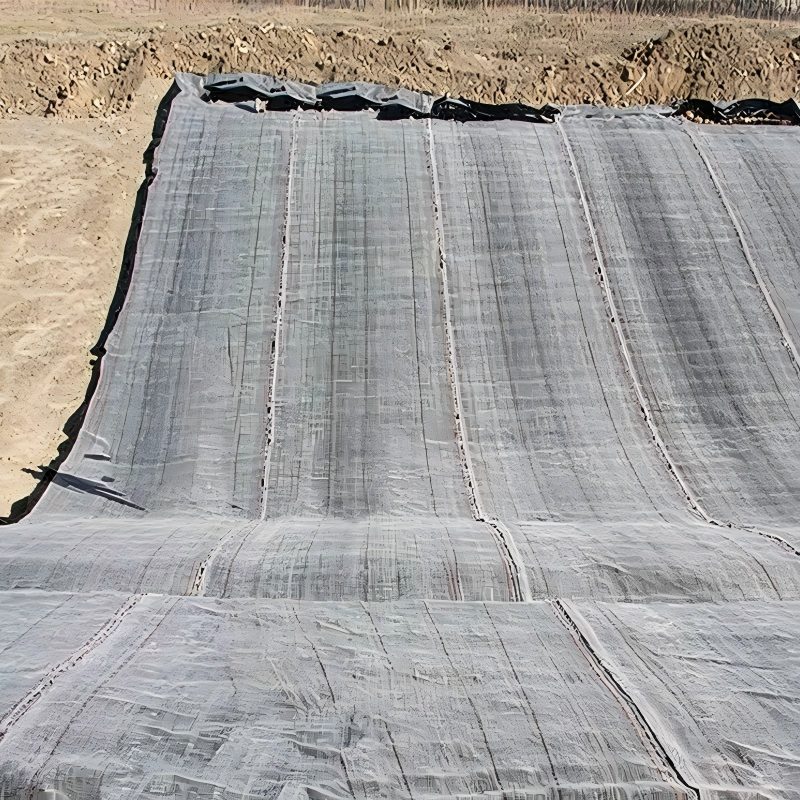
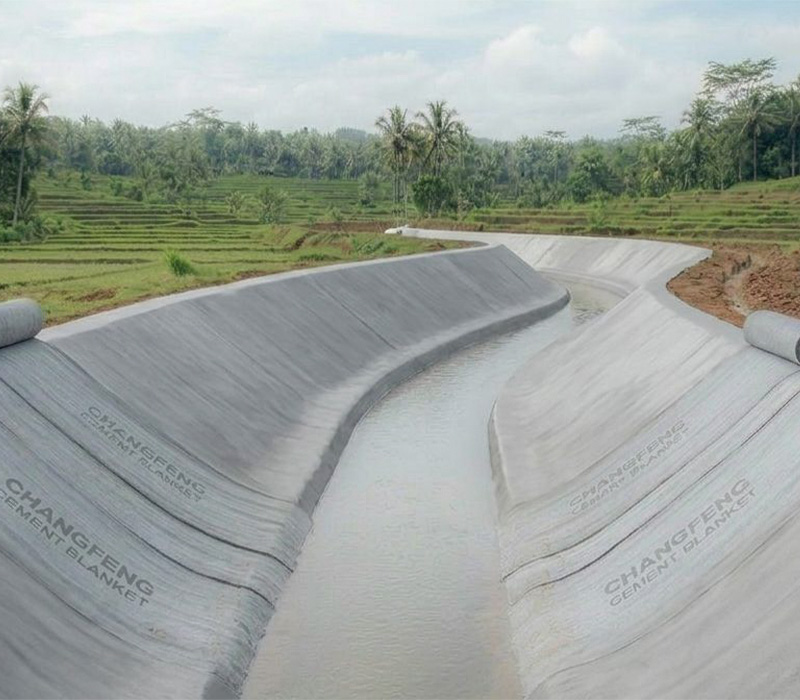
CHANGFENG Cement Blanket for Canal Lining

Rapid seepage control and erosion protection using flexible, fiber-reinforced concrete technology.
Read More

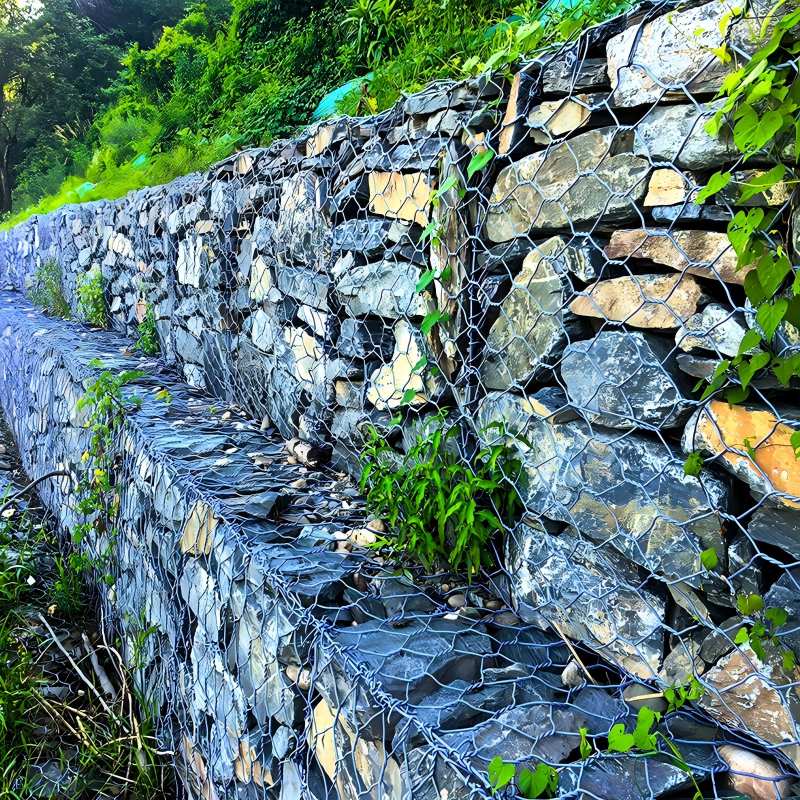
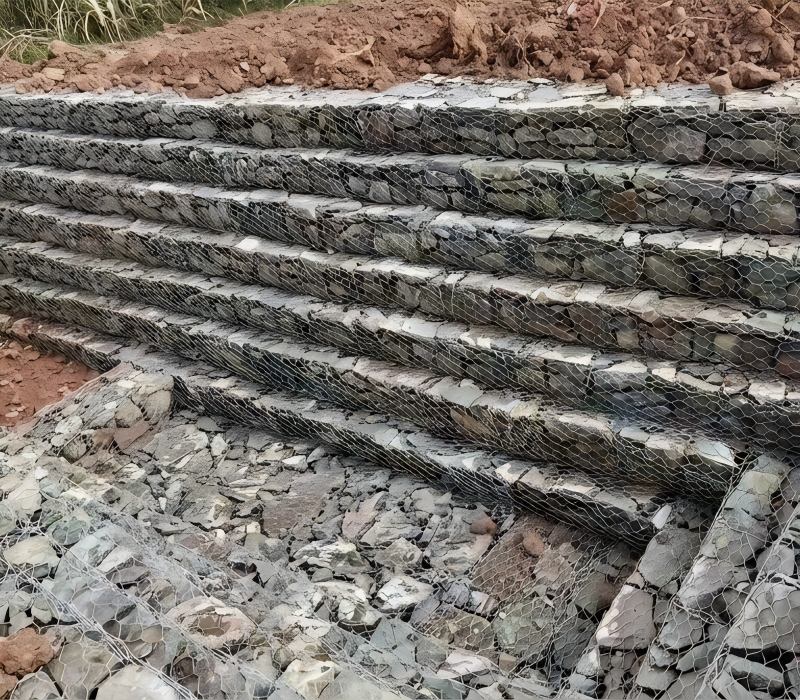
CHANGFENG Gabion Retaining Wall for Residential Protection

Stabilizing steep terrains and preventing erosion with high-durability, double-twisted hexagonal wire mesh.
Read More

CHANGFENG

Become Our Distributor

Factory-Direct Price Advantage

Factory-Direct Price Advantage

As a manufacturing supplier, we help distributors build stronger margins with direct factory pricing, flexible order plans, and stable product availability.
Stable Supply Chain

Stable Supply Chain

We support long-term cooperation with organized raw material sourcing, production scheduling, packing control, and shipment coordination, helping partners serve repeat project demand.
Wide Product Portfolio

Wide Product Portfolio

Our product range covers geogrids, geomembranes, geotextiles, geocells, gabions, drainage materials, weed mats, and other geosynthetic solutions for civil engineering markets.

CHANGFENG

Our Solution

Water Conservancy & Aquaculture Solutions

Water Conservancy & Aquaculture Solutions

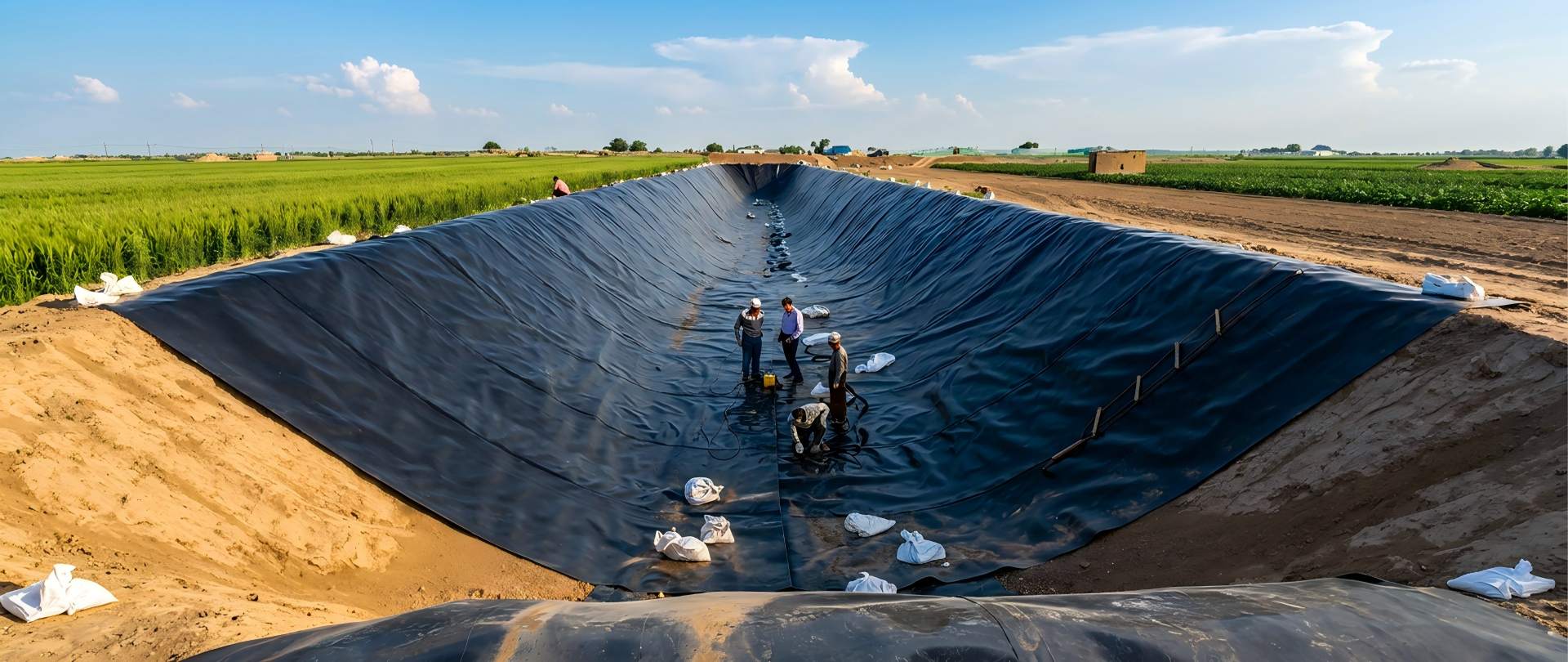
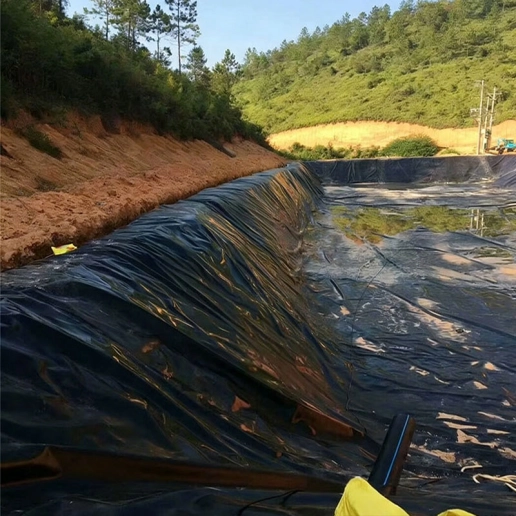
1.Industry Pain Points & Challenges In canal water conveyance and aquaculture, water loss and environmental control are the biggest challenges: (1) Severe seepage loss: Traditional earthen canals or damaged concrete canals have a water seepage rate as high as 40%-60%, resulting in a huge waste of water resources. (2) Difficulty in water quality control: Earthen pond aquaculture is susceptible to contamination by soil bacteria and parasites, making pond cleaning difficult, and bottom sediment easily leads to a decrease in dissolved oxygen, affecting the survival rate of fish and shrimp. (3) Structural instability and collapse: River channels or fishpond slopes are prone to collapse under the scouring of water flow, resulting in high maintenance costs.   2.Our System Solution Changfeng’s “seepage prevention + stabilization + hygiene” solution: (1) High-efficiency canal seepage prevention: Using composite geomembrane. This product is a composite of geotextile and geomembrane, providing both seepage prevention and strong puncture resistance through the geotextile surface. (2) Ecological Aquaculture Barrier: Smooth HDPE Liner is used to lay the pond bottom. It not only completely isolates the pond from soil pollution but also has a smooth surface, allowing for rapid pond cleaning and significantly shortening the aquaculture cycle. (3) Embankment Stabilization System: Geobags or gabions are used to fill the embankment with stones or soil, forming a flexible slope protection structure to resist water erosion.   3.Core Advantages (1) Reduces Water Loss by 90%: The composite seepage prevention system minimizes water loss and doubles water resource utilization. (2) Reduces Pond Cleaning Time by 70%: The HDPE membrane surface does not accumulate mud, facilitating aquaculture wastewater discharge and reducing pond cleaning time from several weeks to several days. (3) 20% Reduction in Overall Construction Costs: Compared to full concrete lining, the geotextile material solution offers 3 times faster construction speed and virtually zero post-construction maintenance.   4.Case Studies & Related Products Typical Case: Seepage prevention project for a large-scale white shrimp farm in Southeast Asia, achieving a 30% increase in annual production.  
Slope Protection and Ecological Restoration Solution

Slope Protection and Ecological Restoration Solution

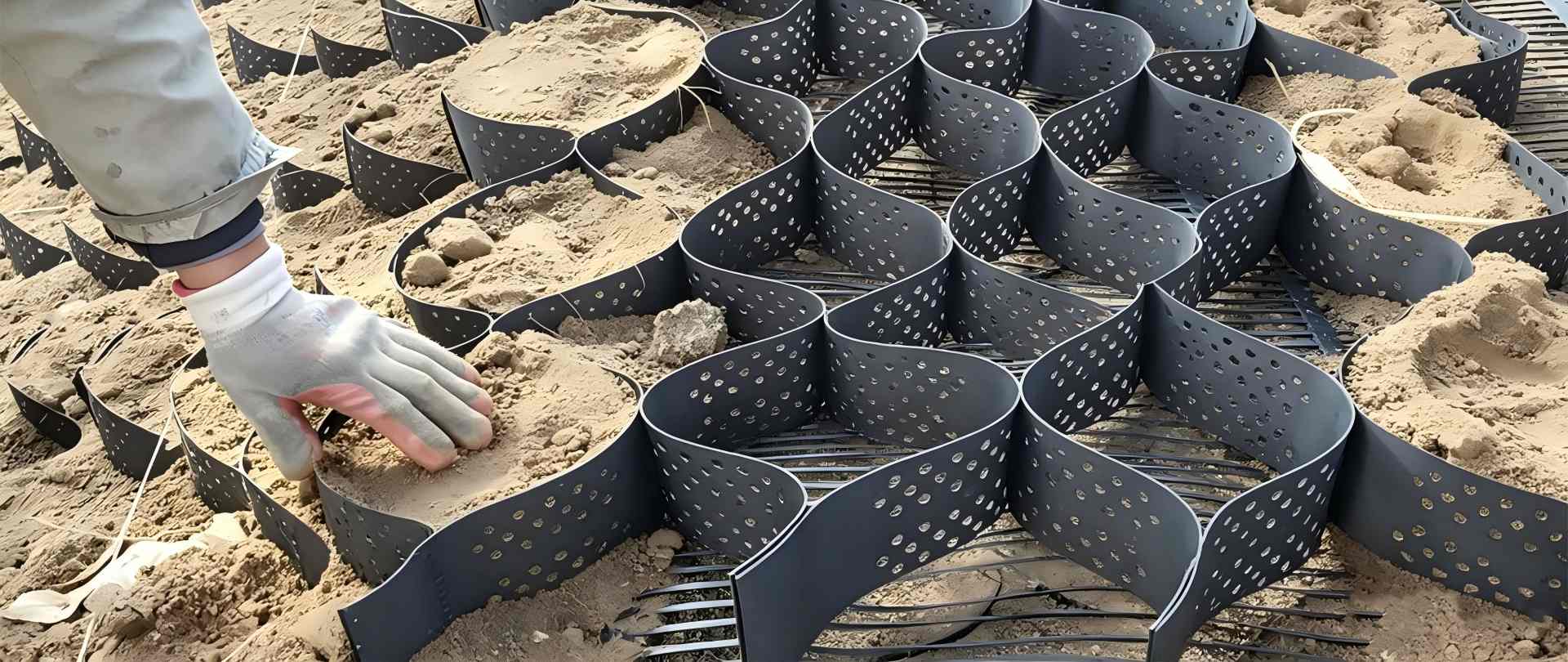
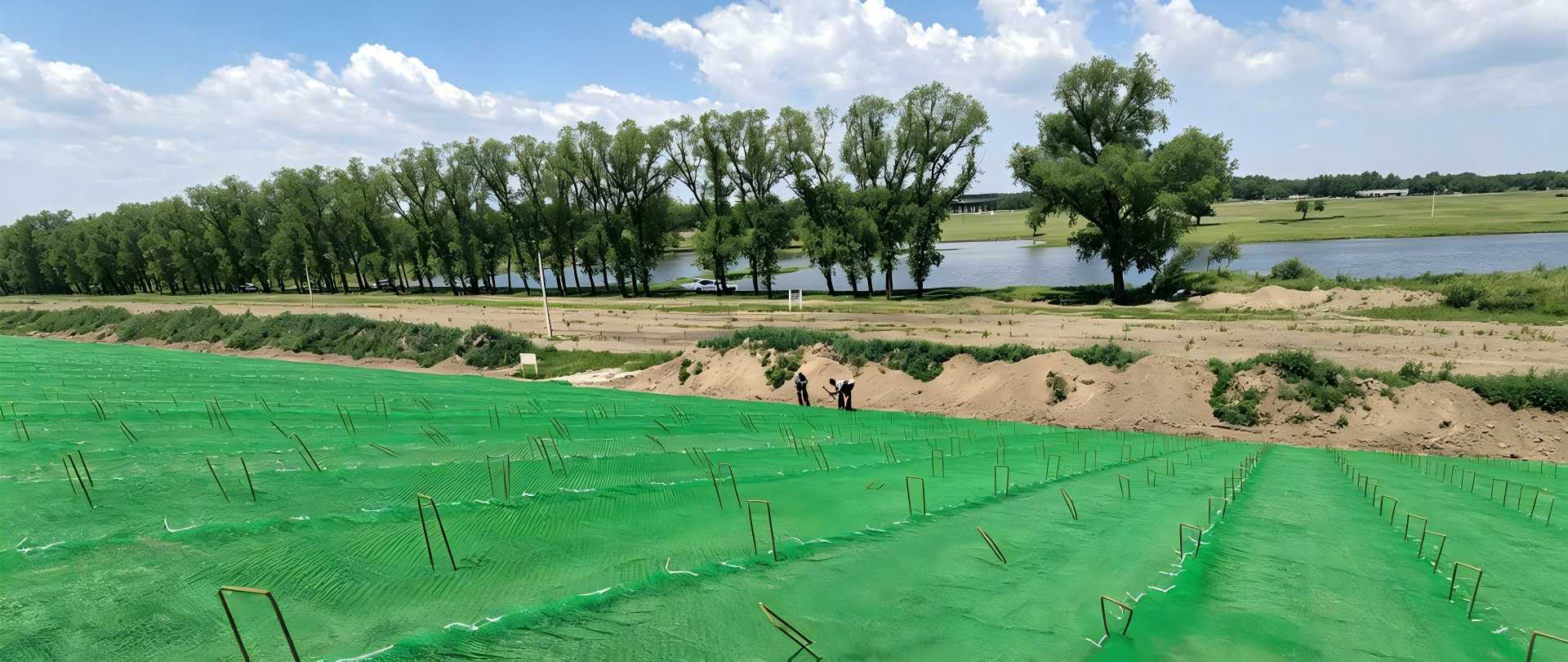
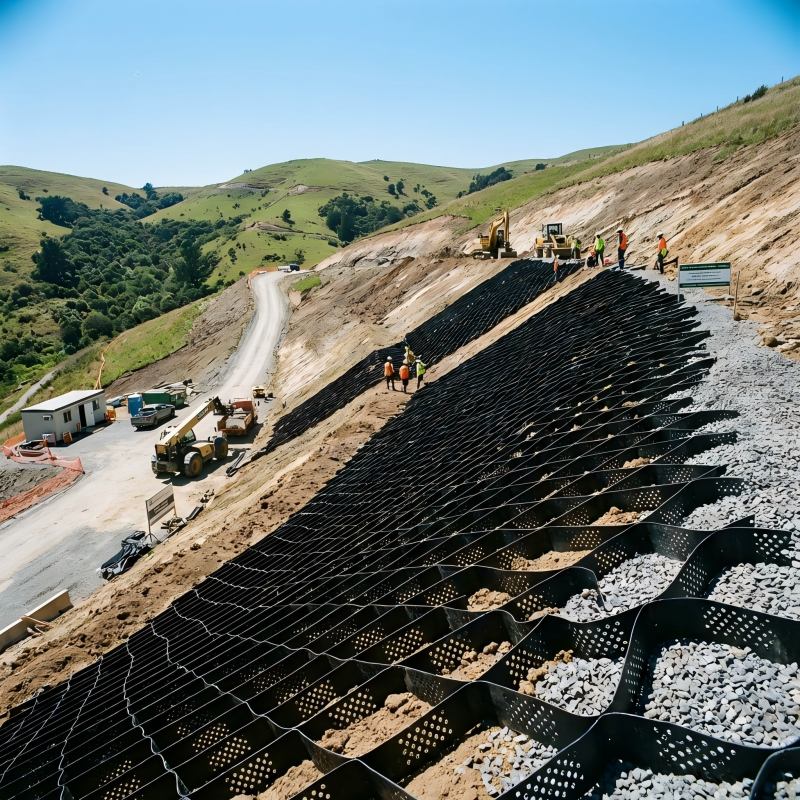
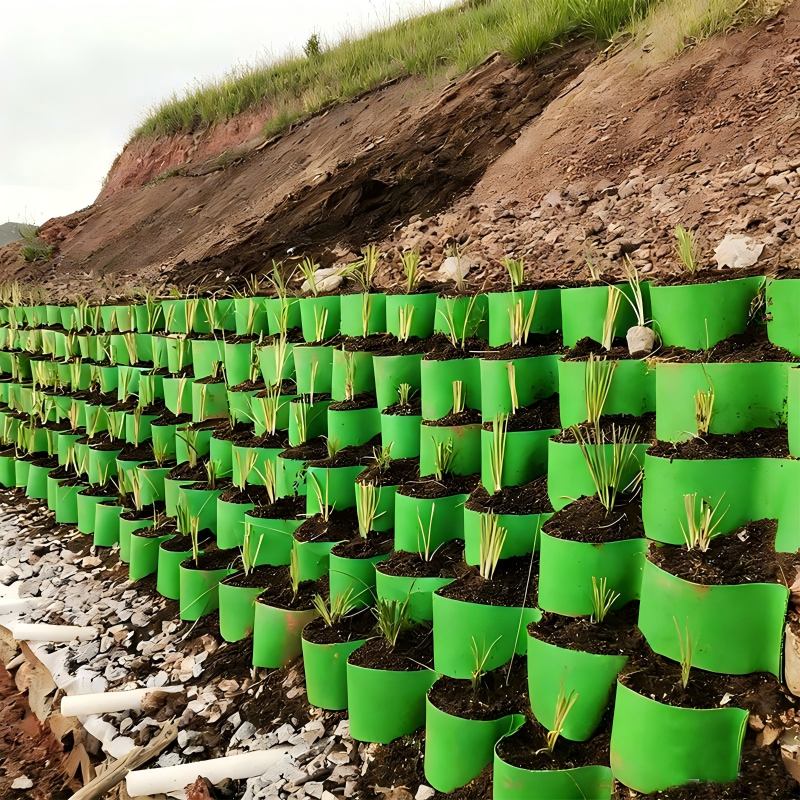
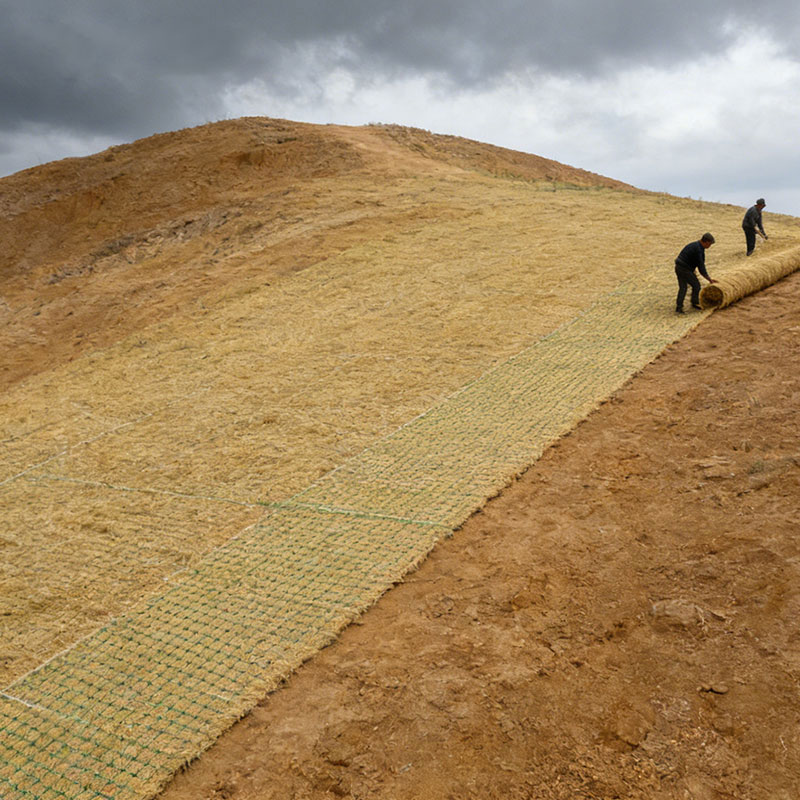
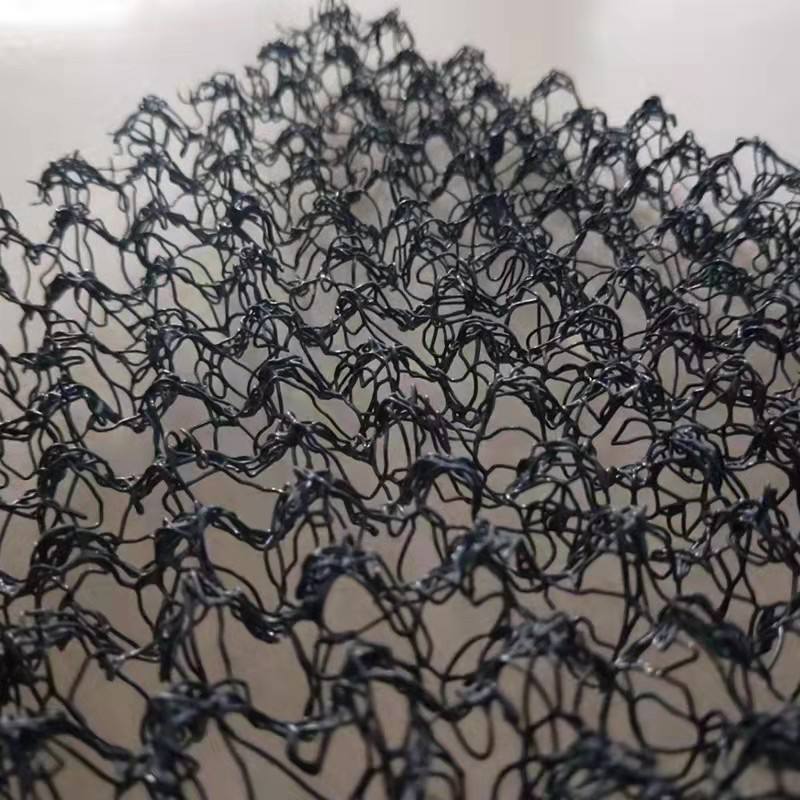
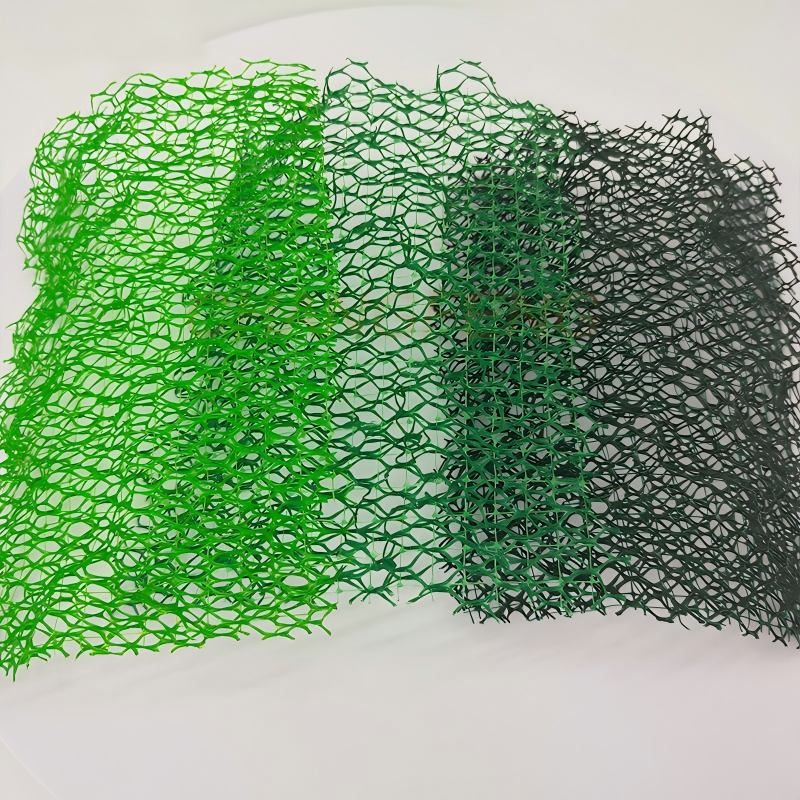
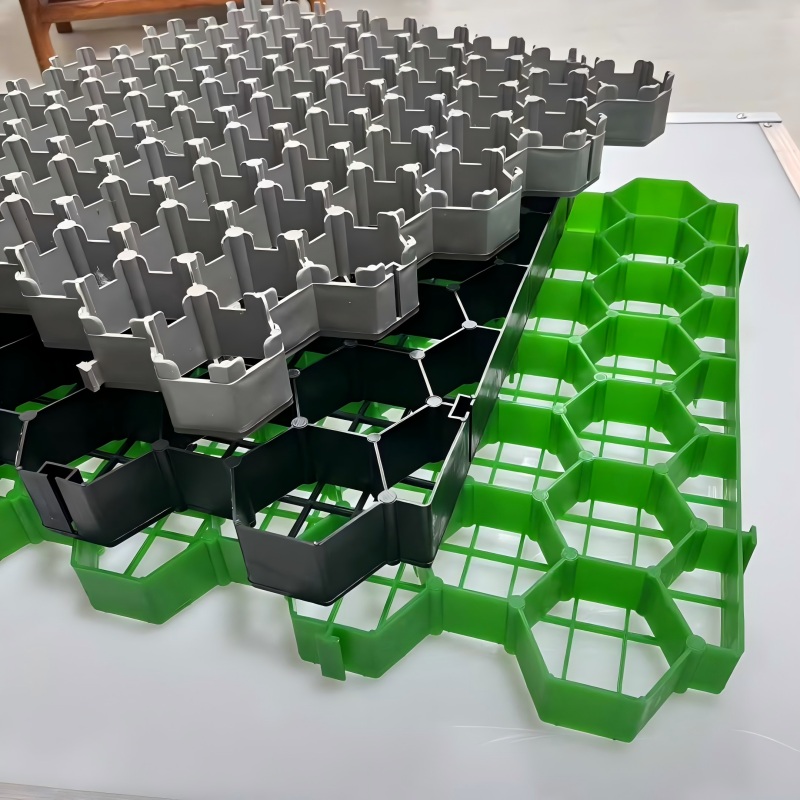
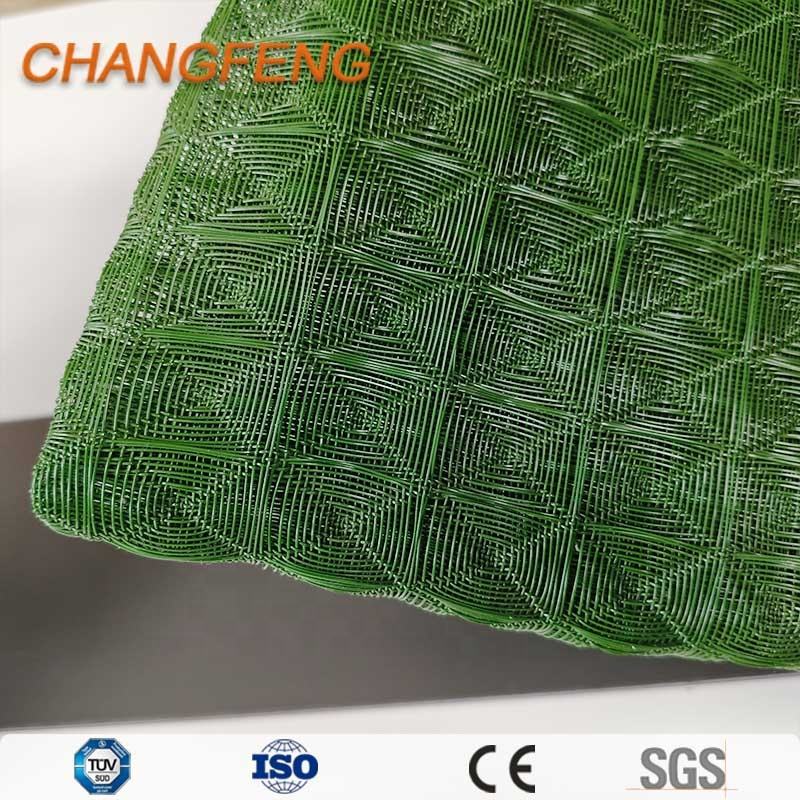
1.Industry Pain Points & Challenges In highway slope, mountain restoration, and riverbank protection projects, the most challenging issues include: (1) Severe soil erosion: Rainwater erosion leads to gully formation on slopes, even triggering landslide risks. (2) Difficulty in plant growth: Steep or rocky slopes cannot retain water and nutrients, making it difficult for vegetation to survive, resulting in a “white mountain stubble” phenomenon. (3) High cost and unsightly nature of traditional reinforced concrete: Concrete spraying and anchoring are extremely expensive and damage the natural landscape, failing to meet modern ecological and environmental protection requirements.   2.Our System Solution Changfeng’s “Three-Dimensional Soil Stabilization + Vegetation Greening” solution includes: (1) Slope honeycomb constraint system: Using geocells. These are unfolded on the slope and filled with soil, rock, or vegetation soil, with the honeycomb-like three-dimensional structure firmly locking the filler. (2) Surface erosion control: Laying coconut fiber mats or geomats slows runoff velocity through their fiber structure, protecting seeds from being washed away. (3) Ecological bank protection: Using gabions combined with geotextiles satisfies both structural strength requirements and allows for water and air exchange.   3.Core Advantages (1) Supports greening of steep slopes (45°+): The mechanical anchoring force of geocells makes greening of steep slopes possible, effectively preventing overall landslides. (2) Surface runoff reduction of 80%: The erosion control mat absorbs the impact of rainwater, significantly reducing the initial runoff’s cutting effect on the slope. (3) Rapid revegetation in 4-8 weeks: Providing a stable micro-ecological space for plant roots, achieving greening within the same year of construction.   4.Case Studies & Related Products Typical case: The slope protection project of the Abidjan Highway extension in Côte d’Ivoire successfully achieved the dual goals of “engineering safety and ecological landscape”.  
Mining & Industrial Energy Solutions

Mining & Industrial Energy Solutions

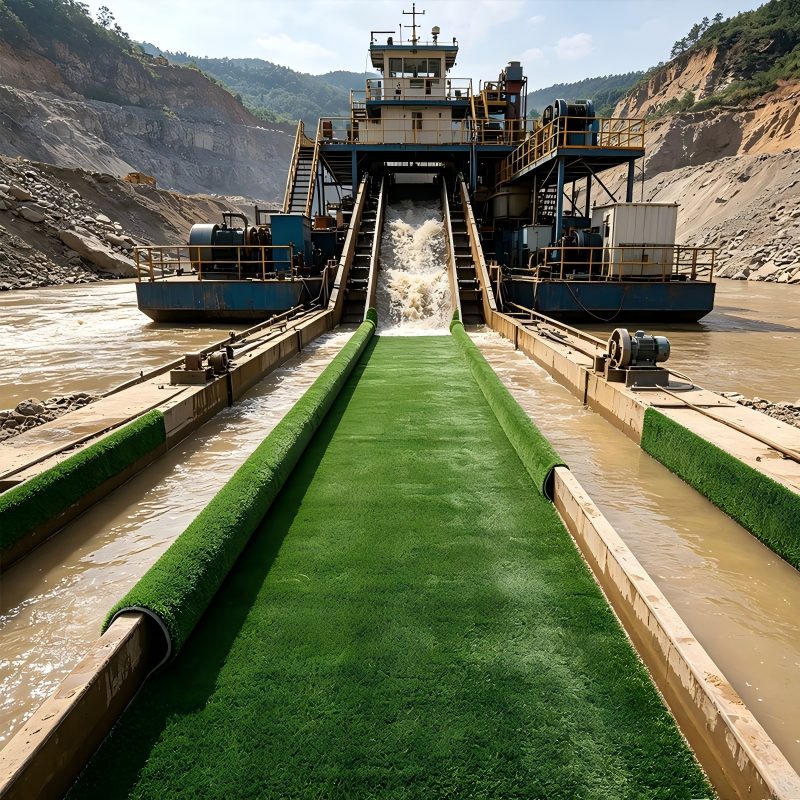
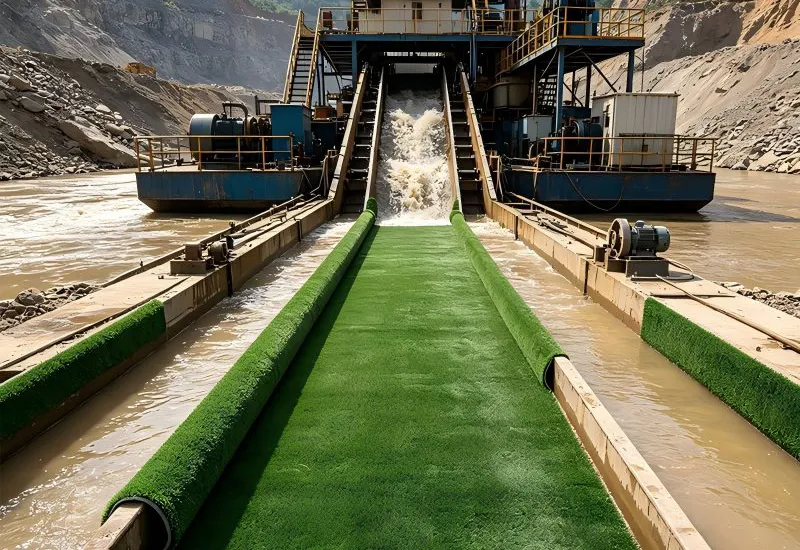
1.Industry Pain Points & Challenges In gold mining (especially placer gold mining and sluice box beneficiation), mine owners often face the following losses: (1) Significant loss of fine-grained gold: Traditional sluice boxes or inferior bedding materials cannot effectively intercept tiny fine-grained gold particles, resulting in significant loss along with the tailings and direct profit losses. (2) Rapid wear and tear on gravity separation equipment: Ore sand has extremely strong abrasive properties; ordinary carpets or mats are easily worn down by sludge and require frequent shutdowns for replacement. (3) Difficulty in cleaning and recycling: Some gold-catching mats have unreasonable structural designs, making it difficult to thoroughly clean the gold powder adhering to them, resulting in secondary waste. -Damage to heavily loaded road surfaces in mining areas: Ore trucks cause unstable roadbeds, affecting the overall production rhythm.   2.System Solution Changfeng offers a professional combination of “High-Efficiency Gold Extraction + Mine Area Reinforcement”: (1) High-Efficiency Sluice Box Gold Extraction System: Utilizes professional gold-finding carpet. Its unique fiber structure forms micro-vortices, using gravity differences to firmly lock in heavy metal particles (such as gold), effectively preventing fine gold from escaping. (2) Heavy-Duty Road Reinforcement in the Mine Area: Uses high-strength geogrids to enhance the shear strength of the ore transport roadbed, ensuring unimpeded passage for heavy engineering machinery. (3) Heap Leaching Site Safety and Seepage Prevention: Lays a high-thickness HDPE geomembrane in the heap leaching area to ensure 100% collection of precious solutions containing cyanide. (4) Foundation Layer Stabilization and Constraint: Utilizes geocells to provide three-dimensional constraint on the soft foundation of the mine area, improving the overall modulus of the foundation.   3. Core Advantages (1) Significantly Increased Recovery Rate by 20%-30%: Changfeng Gold-Pulling Grass’s special “gold-catching” fiber design can capture micron-sized fine gold that ordinary materials cannot intercept, directly increasing mine profits. (2) Excellent Abrasion Resistance and Flexibility: Designed for ore sand scouring environments, it has an extremely long service life, reducing downtime for parts replacement. (3) Easy Cleaning and High Output: The fiber structure is specially treated, allowing for complete unloading of gold powder with simple rinsing during cleaning, making the recovery process more efficient. (4) All-Terrain Adaptability: Whether used in large gold dredges, sluices, or river hand sorting, it exhibits excellent gravity capture performance.   4.Case Studies & Related Products Typical Cases: Multiple large-scale gold mine projects in Africa, South America, and Central Asia.  
Urban Landscaping & Sponge City Solutions

Urban Landscaping & Sponge City Solutions

1.Industry Pain Points & Challenges Common “urban diseases” in modern urban development: (1) Heat island effect and waterlogging: Excessive hard paving in cities prevents rainwater from infiltrating, resulting in severe urban flooding. (2) Parking vs. green space conflict: In limited spaces, parking spaces and green areas are often mutually exclusive. (3) Rooftop garden leakage: If rooftop greening has poor drainage, water accumulation will put pressure on the building structure and cause indoor water leakage.   2.Our System Solution Changfeng’s “permeable + water storage and drainage” solution in response to the “sponge city” policy: (1) Green ecological parking spaces: Using high-strength grass pavers instead of traditional concrete bricks allows the lawn to thrive even under vehicle traffic. (2) Roof Green Drainage System: A storage and drainage board is installed, which stores some water to supply plants while quickly draining excess rainwater. (3) Underground Space Drainage: A capillary drainage plate is used to guide groundwater out in an orderly manner, protecting the building’s foundation.   3.Core Advantages (1) 50% Increase in Green Space Ratio: Transforming a previously barren parking lot into a green oasis. (2) 100% Permeability: Rainwater infiltrates immediately on-site, effectively relieving pressure on the urban pipe network and eliminating water accumulation. (3) Protection of Building Structure: The high-strength storage and drainage board provides excellent buffering, extending the lifespan of the roof waterproofing layer by more than 20 years.   4.Case Studies & Related Products Typical Case: The “Sponge City” Transformation Project of a Commercial Complex in Manchester, UK.  
Railway & Tunnel Engineering Solutions

Railway & Tunnel Engineering Solutions

1.Industry Pain Points & Challenges Railway and tunnel engineering is a national-level high-standard infrastructure project, with extremely high requirements for material durability and dynamic stability: (1) High-frequency dynamic load challenge: High-speed and heavy-haul railways generate huge vibration loads during operation, causing the ballast (crushed stone layer) to wear against each other, break, and sink into the roadbed, leading to road surface settlement. (2) Tunnel water leakage problem: Groundwater pressure is huge. If the waterproof layer is not tight or drainage is not smooth, water will seep into the tunnel walls and form ice, seriously threatening the safety of train operation. (3) Freeze-thaw settlement problem: In cold regions, the roadbed cannot drain moisture in time, and repeated freeze-thaw cycles will cause railway track deformation and heave. -Unstable slope structure: Deep cut slopes along railway lines are easily weathered and eroded by rainwater, resulting in rockfalls or local collapses.     2.System Solution Changfeng’s “Structural Reinforcement + Tight Waterproofing + Rapid Drainage” Railway Solution: (1) Ballast and Subgrade Reinforcement: Steel-Plastic Geogrid is laid at the bottom of the ballast layer. Its extremely high tensile modulus locks in the displacement of gravel, reduces particle breakage, and maintains the stability of the track geometry. (2) Tunnel Waterproof Structure Layer: A specialized waterproof geomembrane is used as the main barrier for waterproofing the tunnel lining, preventing groundwater intrusion. (3) Permanent Drainage Network: Hard Permeable Pipes and Plastic Blind Ditches are buried in the tunnel side ditches and subgrade. Using capillary action, accumulated water is rapidly guided to the main drainage pipes. (4) Rapid Protection of Interception Ditches and Slopes: Cement blankets are used to lay interception ditches on both sides of the railway, achieving rapid hardening by “blanket to concrete,” preventing rainwater infiltration and erosion of the roadbed.   3.Core Advantages of the Solution (1) 300% Increase in Maintenance Cycle: Steel-plastic grating effectively reduces the ballast pulverization rate, significantly reducing the frequency of maintenance and cleaning of the railway track bed, saving huge maintenance costs. (2) Highly Efficient Drainage with “Zero Water Accumulation”: The combination of plastic blind drains and permeable pipes solves the problem of groundwater accumulation, effectively preventing frost heave disasters and ensuring all-weather operation of trains in cold regions. (3) Self-Healing Structure and Long-Term Waterproofing: The GCL waterproof blanket used in conjunction has a self-healing function upon contact with water, providing reliable waterproofing for tunnels for up to 100 years. (4) Breakthrough in Construction Efficiency: The application of new materials such as cement blankets eliminates the need for mixers and formwork when laying drainage ditches, making construction 5-10 times faster than traditional cast-in-place concrete.   4.Case Studies & Related Products Typical Case: Expansion Project of the Heavy-Haul Railway in Northern Kazakhstan.  
Transportation Infrastructure Solutions

Transportation Infrastructure Solutions

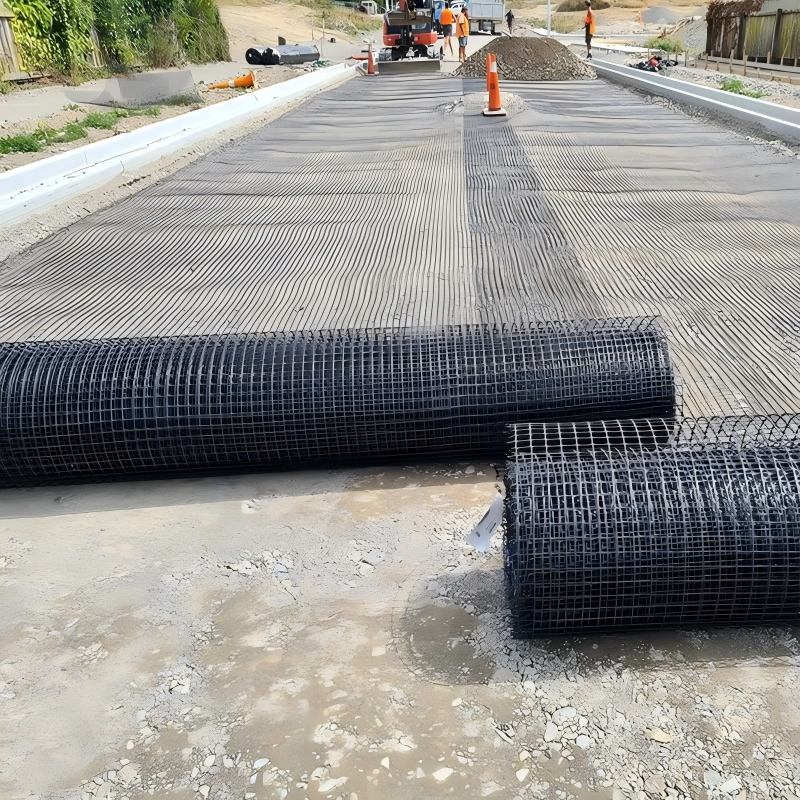
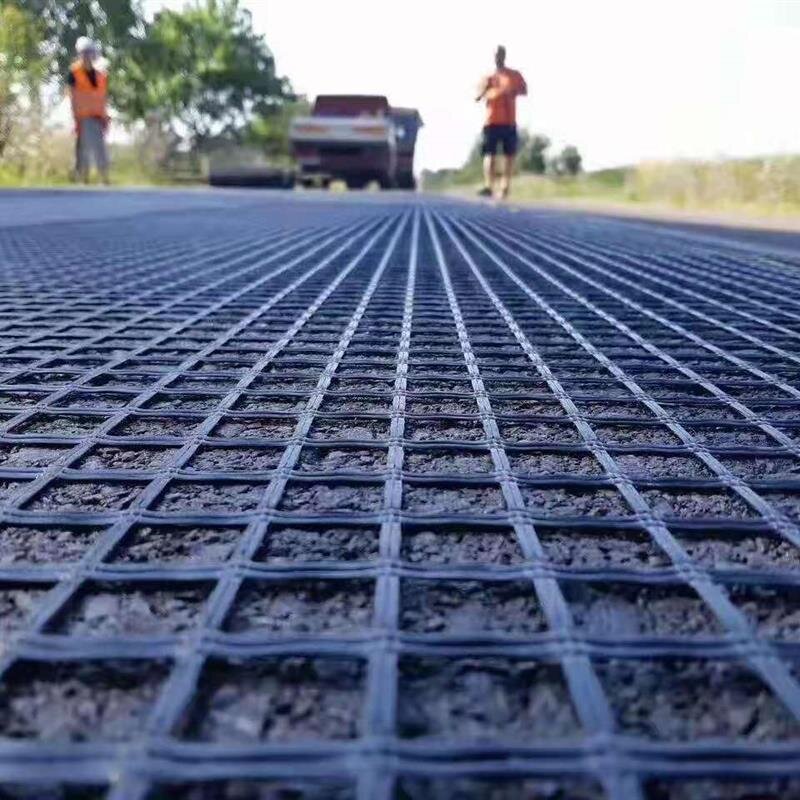
1.Industry Pain Points & Challenges In road and railway construction, contractors often face the following headaches: (1) Uneven subgrade settlement: Insufficient bearing capacity of soft soil foundations leads to cracking, collapse, or rutting of the road surface under vehicle loads. (2) High maintenance costs: Due to unstable foundations, frequent repairs are required after road delivery, severely depleting the subsequent operating budget. (3) Excessive gravel layer thickness: To achieve the design strength, traditional solutions require a huge amount of gravel and filler, leading to a surge in procurement and logistics costs. (4) Extreme weather effects: Freeze-thaw cycles cause displacement within the subgrade structure, damaging the road’s integrity.   2.System Solution Changfeng offers a multi-dimensional structural solution combining reinforcement, isolation, and drainage: (1) Subgrade Reinforcement Layer: Biaxial geogrid is used to lock the crushed stone fill, forming a stable “rigid cushion layer” that effectively disperses vertical loads. (2) Soft Soil Reinforcement System: For extremely soft foundations, geocells are used to provide lateral restraint and prevent lateral displacement of the fill material. (3) Filtration and Isolation Layer: Nonwoven geotextile is laid to prevent mixing of materials between layers and ensure unobstructed drainage.   3.Core Advantages (1) 40% Increase in Bearing Capacity: Actual measurements show that the bearing capacity of the reinforced subgrade is more than 40% higher than that of the unreinforced solution. (2) 30% Material Cost Savings: Due to the significant increase in structural strength from the reinforcement layer, the thickness of the crushed stone fill can be reduced by approximately 30%. (3) Extends service life by 2 times: Effectively inhibits reflective cracking, extending the road overhaul cycle by more than double and significantly reducing the total life cycle cost.   4.Case Studies & Related Products Typical case: Solving the subgrade settlement problem in the Kenya National Highway Subgrade Enhancement Project (50,000㎡).  

20
+years

Industry Experience

100
+

Export Country

200
+

Outstanding Employee

15
+

Production Line

Company Profile


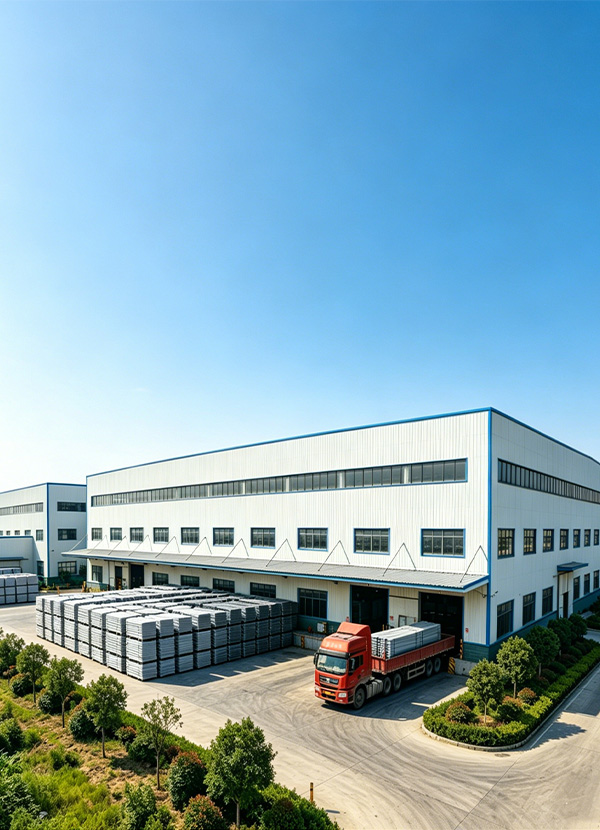
Founded in 2005 in Shandong, China, Changfeng is a geosynthetics manufacturer with 15 production lines, 200+ employees, and exports to 100+ countries.


We manufacture geotextiles, geomembranes, geogrids, drainage systems, and erosion-control products for infrastructure, mining, solar PV, and agriculture.


Standard products are our foundation. Custom development is our strength. From sample-based reverse engineering to structural redesign and mass production, we deliver tailored manufacturing solutions.


We also develop specialized drainage and soil stabilization solutions for solar farms and agricultural projects.


As a source factory, we control production and quality from raw materials to shipment. OEM/ODM, custom specifications, and small-volume orders are welcome.


Contact Us

Recent Articles

News & Announcements

Fish Pond Liner Cost per Square Meter: Material, Welding and Shipping

Fish Pond Liner Cost per Square Meter: Material, Welding and Shipping

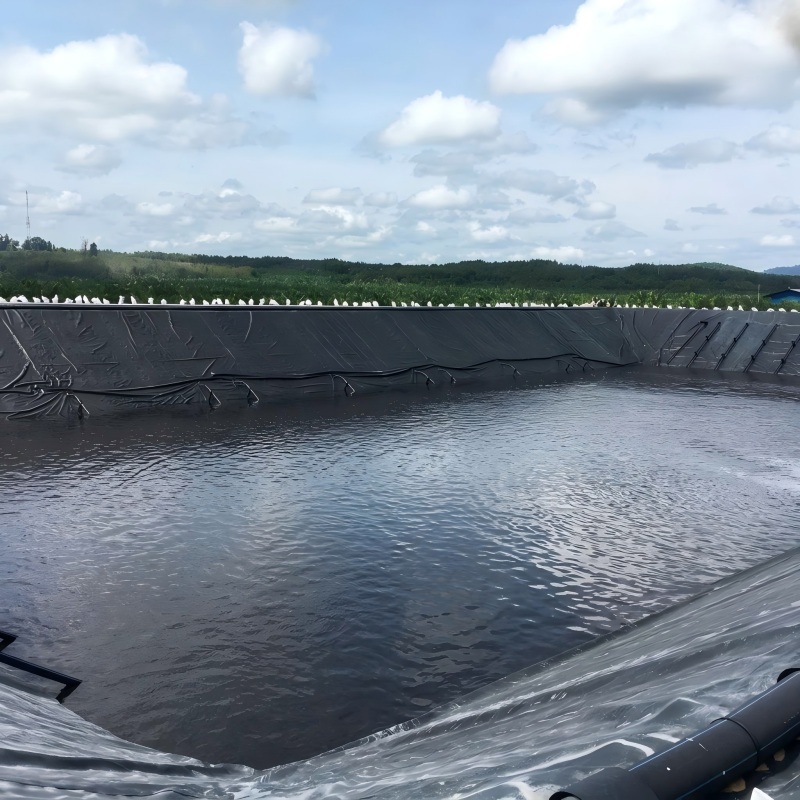
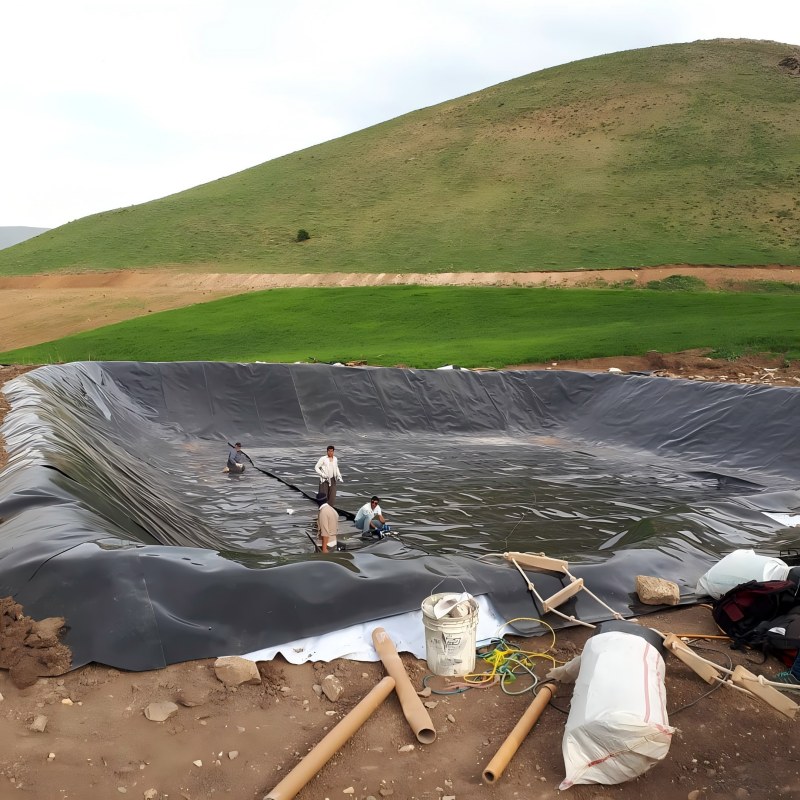
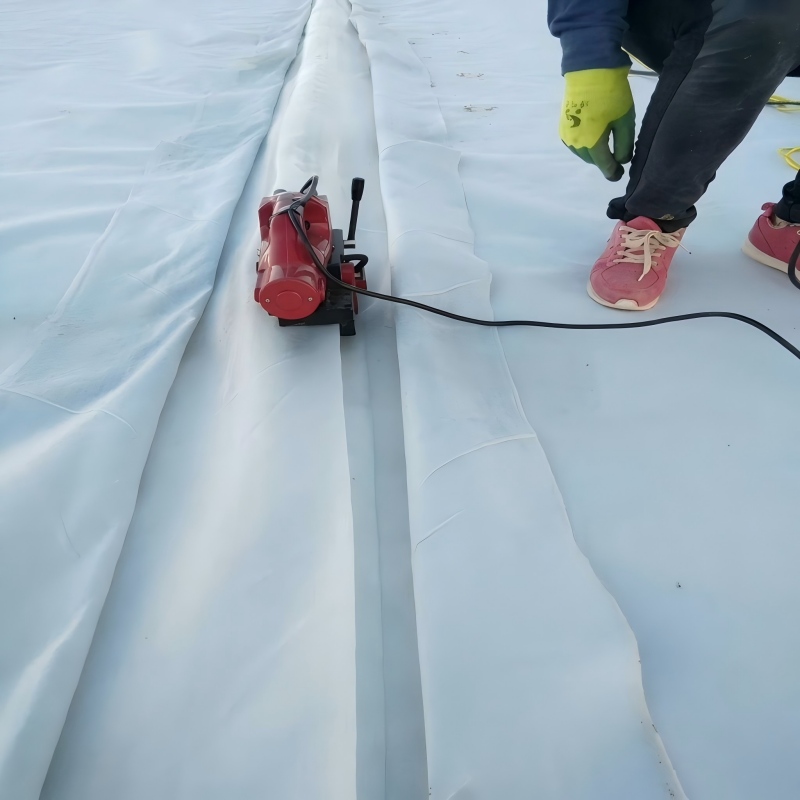
Fish pond liner cost per square meter depends on the material specification, purchased area, welding scope and delivery location. A useful budget starts with the liner purchase, adds transport and installation charges, then divides the total by a clearly defined area. Every quotation needs those boundaries before its unit price becomes comparable. For a commercial fish farm, ask for three figures: the material price per purchased square meter, the cost delivered to the site, and the installed lining budget. The example below shows how to calculate them using hypothetical inputs. Actual prices require a dated quotation for your project and destination. What Does a Fish Pond Liner Quote per Square Meter Include? Material-only, delivered and installed prices Ask each supplier to identify the delivery point and included work. A quotation for CHANGFENG smooth HDPE geomembrane can then be compared against the same material and scope from another supplier. Budget level What to establish Items to check separately Material purchase Specification, purchased area and packing Freight, installation and testing Delivered to site Material plus the agreed transport chain Import charges, unloading and any excluded handling Installed lining Delivered material plus defined installation work Earthworks, protection layers, drainage and other exclusions   Write down the exclusions beside each total. This prevents a low material price from being compared directly with an offer that includes installation. Purchased area, lined surface area and water footprint Keep these measurements separate: Purchased liner area:the total sheet area ordered, including material used in overlaps, anchoring and cutting allowances. Net lined surface area:the pond surface covered, including its bottom and slopes, with overlaps counted once. Water footprint:the horizontal water surface area at a stated operating level. Use purchased area when comparing material prices. Use the same measured lined surface area when comparing installed budgets. Label either calculation explicitly; the two figures answer different questions. How Material and Thickness Affect Liner Cost HDPE and other liner materials: compare the same specification An HDPE pond liner price is comparable only when the offers specify equivalent products. Record the polymer, thickness, surface finish, roll dimensions and required quality documents. EPDM, PVC and reinforced liners need their own specification and joining assessment; this guide’s thermal welding discussion concerns suitable polyethylene systems. For aquaculture, request evidence of suitability for the intended fish and water conditions. A material name or a general waterproofing claim alone does not establish that suitability. Thickness, resin specification and documented quality At equal area and density, increasing sheet thickness increases material mass. However, a supplier’s selling price also reflects the formulation, order quantity, testing and production requirements. Confirm the specified thickness and its permitted tolerance. Ask for a technical data sheet and the applicable batch test documentation. Have the project designer determine the required performance from the subgrade, exposure, handling and operating conditions. Thickness alone cannot establish puncture performance or service life. Roll dimensions, panel layout and usable coverage Request a panel layout before choosing roll width. Wider sheets may reduce field seams, but the delivery route, unloading equipment and installation crew must be able to handle them. Compare the resulting purchased area and seam length for each proposed layout. For protection layers, assess the prepared surface and the specified lining system. If the design includes protective geotextile, budget its supply and installation separately. Its area and overlap requirements may differ from the geomembrane’s. How to Choose the Right Thickness for a Fish Pond Liner? Choose thickness from the pond design and operating conditions, then compare the cost of compliant options. CHANGFENG’s supplied product table lists nominal thicknesses of 0.75, 1.0, 1.5 and 2.0 mm. These are specification options to discuss with the supplier; availability and suitability require confirmation for each project. Assess the pond and its maintenance conditions Give the designer the pond depth, slope geometry and subgrade condition. Identify sharp particles, potential settlement, exposed edges and places where cleaning equipment or workers may contact the sheet. Include pipe connections and the planned anchoring arrangement in the review. A thickness decision should accompany a prepared-subgrade and protection-layer design. Increasing sheet thickness alone cannot resolve an unsuitable base or an unsupported detail. Compare performance and total installed cost Ask the designer to specify the minimum thickness, permitted tolerance and required mechanical properties. Request matching test data, including puncture resistance and stress-crack resistance where the project specification requires them. Check that the proposed welding equipment and procedures suit the selected sheet. Then compare material, handling, protection and installation costs for the acceptable options. For example, at equal area and density, a 1.5 mm sheet has 50% more material mass than a 1.0 mm sheet. That calculation does not establish a 50% increase in selling price or a proportional increase in service life. Have the designer approve the final thickness and lining details before ordering. Pool depth alone is insufficient to select a universal thickness for every fish farm. How to Calculate the Liner Area You Need to Buy Include pond slopes, anchoring and seam overlaps Start with the surveyed bottom dimensions and slope geometry. Measure the actual slope lengths, then account for the anchor detail, pipe penetrations and panel overlaps. A drawing showing only the pond’s water-surface length and width is insufficient for a purchase calculation. For an irregular pond, use the surveyed surface model or measured cross-sections. For a simple pond, a dimensioned bottom-and-slope drawing can support the takeoff. In either case, confirm the layout with the installer before ordering. Separate layout waste from covered surface area Use this purchasing relationship: Purchased area = net lined surface + anchoring allowance + overlap allowance + layout offcuts + agreed spare material. Keep the categories separate so an allowance is counted once. Avoid adding a general waste percentage after a detailed takeoff has already included the same overlaps and cuts. Retain spare material as its own budget line if it is intended for future repairs. What Goes into Pond Liner Welding Cost? Seam length, mobilization and site access Pond liner welding cost may include a fixed mobilization charge and a rate per linear meter of seam. Ask the installer to state both the quantity and the unit. A square-meter installation rate should identify the panel layout and work included. Access, power supply, weather delays and accommodation can change the quotation. Clarify who supplies lifting equipment and who prepares the surface before the crew arrives. For multiple ponds, ask whether one mobilization covers the full installation schedule. Welding, penetrations, testing and repairs Obtain separate allowances for straight seams, detail work around pipes, patches and testing. Agree on trial welds, inspection records, acceptance criteria and responsibility for repairs before installation begins. The project specification should identify the applicable seam requirements. The Geosynthetic Institute specification index lists GRI-GM19a for thermally bonded homogeneous polyolefin geomembrane seams. Confirm the relevant edition and material scope with the project engineer. Obtain welding rates separately from the installer. How Shipping Changes the Delivered Cost per Square Meter Roll weight, package dimensions and container utilization Ask for a packing list showing roll count, dimensions, gross weight and loading arrangement. The forwarder needs those details and the destination to quote transport. Purchased square meters alone do not describe the shipment. Calculate allocated freight per square meter as: Freight per purchased m² = freight allocated to the liner shipment ÷ purchased liner area. If the container also carries geotextile or other products, agree how freight is allocated. Keep that method consistent across offers, and confirm the quotation’s validity period and excluded surcharges. Match freight and destination charges to the quoted trade term CIF includes seller-arranged freight and insurance to the named destination port, while the buyer handles import formalities. Under CIF, risk transfers when the goods are loaded aboard at shipment. These boundaries are explained in ICC Academy’s guide to CIF and CIP under Incoterms® 2020. Consequently, build the site-delivery budget from the named port onward as well. Check customs brokerage, duties and taxes, terminal charges, inland haulage and unloading. Confirm which charges the freight contract already includes to prevent double counting. For containerized or multimodal movements, agree the appropriate rule and named place with the supplier and forwarder. Record the Incoterms version in the quotation. A Worked Budget Example with a Consistent Area Basis Build a line-item budget from explicit assumptions Illustration only: every quantity and rate below is hypothetical, prepared for this guide on November 18, 2026. These USD teaching inputs have no destination country assigned. They do not represent market prices or a CHANGFENG quotation. Assume 1,000 m² purchased liner covers 850 m² of net pond surface. The remaining 150 m² represents the assumed anchoring, overlap and layout allowances. The installation estimate assumes 300 linear meters of field seams. Item Hypothetical basis Amount (USD) Liner material 1,000 m² × $2.00/m² $2,000 Origin handling, freight and insurance Separate allowance, charged once $600 Destination handling, inland haulage and unloading Separate allowance $400 Import duties, taxes and brokerage Unconfirmed destination-dependent amount T Installer mobilization Fixed allowance $300 Field welding 300 linear m × $1.00/m $300 Detail work and seam testing Separate allowance $200   The resulting calculations are: Delivered material subtotal:$3,000 + T. Delivered cost per purchased m²:$3.00 + T/1,000. Material plus specified installation:$3,800 + T. Cost per net lined m²:($3,800 + T)/850, approximately $4.47 + T/850. These totals exclude earthworks, protection layers, drainage and operating equipment. The unknown amount T remains payable as applicable; it has not been assumed to be zero. Replace every input with confirmed project quantities and quotations before budgeting a purchase. Compare two quotes using the same denominator Suppose a second offer reduces only the material rate from $2.00 to $1.90/m². At the same 1,000 m² quantity, that reduces the material subtotal by $100, before any resulting change in taxes or other charges. Now suppose only the freight allowance rises by $200. That adds $0.20 per purchased m², or approximately $0.24 per net lined m². Keeping the quantities and denominator fixed makes the effect of each change visible. Why Choose CHANGFENG HDPE Fish Pond Liner? CHANGFENG supplies smooth HDPE geomembrane for water containment and aquaculture applications. Its product materials describe specification customization and technical support, giving buyers a starting point for matching a liner order to the pond design. For a fish pond liner purchase, discuss these requirements with CHANGFENG: Material selection:specify virgin HDPE and request the formulation declaration and supporting quality documents for the proposed product. Confirm aquaculture suitability for the intended operating conditions. Roll planning:ask which thicknesses and roll dimensions are available for the order, then compare the proposed panel layouts and field seam quantities. Installation coordination:discuss product selection and installation guidance, and confirm who will perform and test the field welds. On-site services need an agreed scope. Export quotation:request the packing details, delivery term and transport charges needed to calculate the delivered cost per square meter. Evaluate the offer against the approved specification and the documents supplied with it. Confirm production timing, warranty conditions and service responsibilities in writing before placing the order.   What to Send for an Itemized Pond Liner Quote Send a single RFQ package to each supplier: Project country, destination port and final site address. Pond drawings, bottom dimensions, slope profiles and operating water depth. Required polymer, thickness, quality documentation and aquaculture suitability evidence. Preliminary takeoff, roll-handling limits and requested spare material. Installation scope, estimated seam length, penetrations and testing responsibilities. Delivery term, named place, currency, packing requirements and quotation validity. Required schedule and separate confirmation of duties, taxes and unloading. Ask for a subtotal at each boundary: material purchase, delivery to site and the agreed installation scope. Contact CHANGFENG with these details to request an itemized fish pond liner quotation. Confirm product specifications, lead time and installation arrangements for the particular order. Frequently Asked Questions Q1: Is pond liner priced by pond size or by purchased liner area? Material quotations should state the purchased sheet area. A pond’s bottom and slopes determine its covered surface, while anchoring, overlaps and cutting allowances affect the order quantity. The horizontal water footprint is a separate measurement. Ask the supplier to show the quantity calculation behind the quotation. Q2: Is virgin HDPE better than recycled HDPE for fish ponds? For fish-contact applications, specify traceable virgin HDPE as a procurement preference. Leister’s aquaculture sealing guide recommends material without recycled content. Confirm formulation and suitability evidence for the finished liner: virgin resin alone does not prove fish safety, and recycled feedstock requires scrutiny of its origin and composition. Q3: How long does an HDPE fish pond liner last? Service life depends on formulation, temperature, exposure, installation and operating damage. GSI’s geomembrane lifetime paper distinguishes exposed and covered conditions and explains why formulation matters. Request a product-specific assessment and written warranty terms. Neither a generic year range nor a warranty alone establishes the pond’s actual operating life. Q4: Can HDPE geomembrane be used for fish farming? Yes. HDPE geomembrane can line fish-farming ponds when the selected product and installation suit the application. CHANGFENG lists aquaculture among its smooth geomembrane uses. Confirm the finished material’s suitability for fish contact, prepare the subgrade, and test seams before commissioning. Aeration, filtration and water-quality management still require their own design. Q5: Does a liner quote include welding and seam testing? Check the written scope. A material quotation may cover only the rolls and specified packing. Request separate confirmation of installer mobilization, seam quantities, detail work, testing and repair responsibilities. If installation is priced per square meter, confirm which area measurement and panel layout support that rate.  
Read More
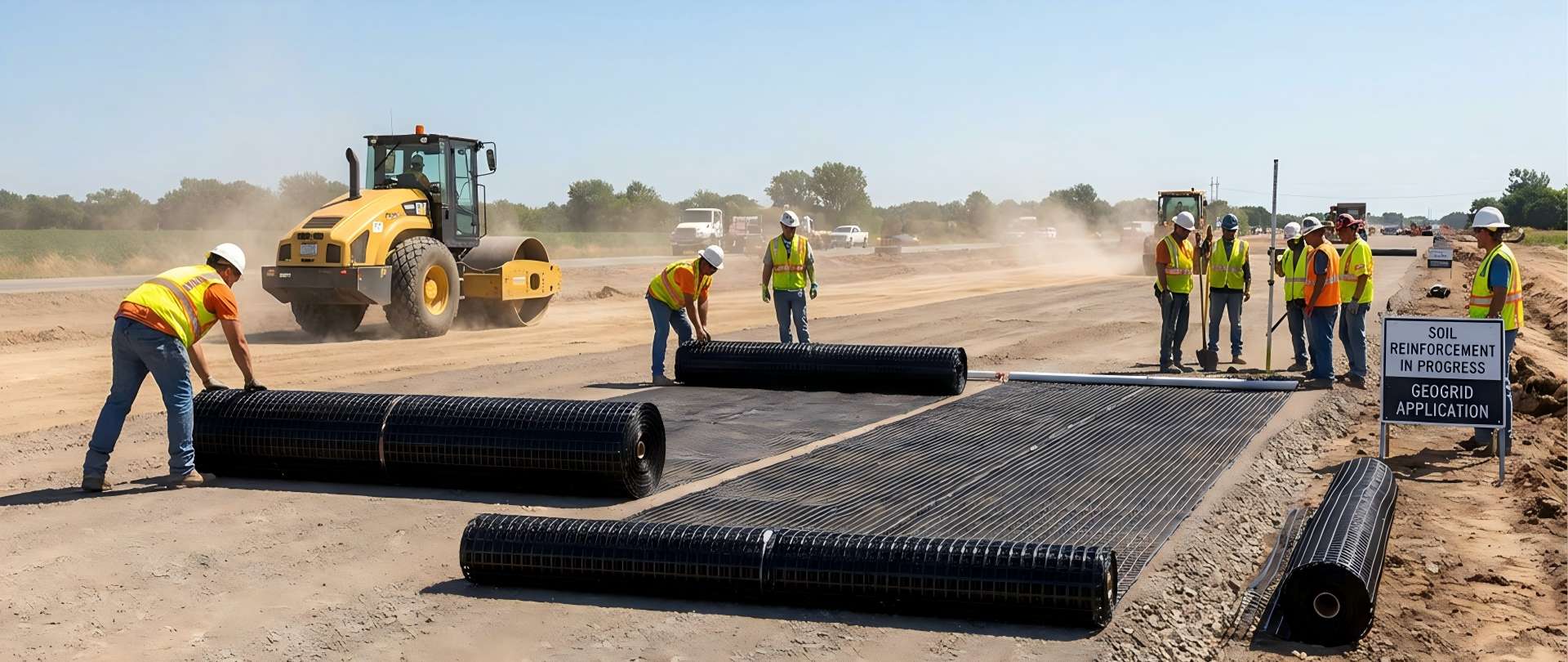
How to Anchor and Install Reinforced Geomat on Highway and Railway Slopes

How to Anchor and Install Reinforced Geomat on Highway and Railway Slopes

Learn how to prepare, anchor, join, and inspect reinforced geomat on highway and railway slopes while following project drawings and product instructions.
Read More
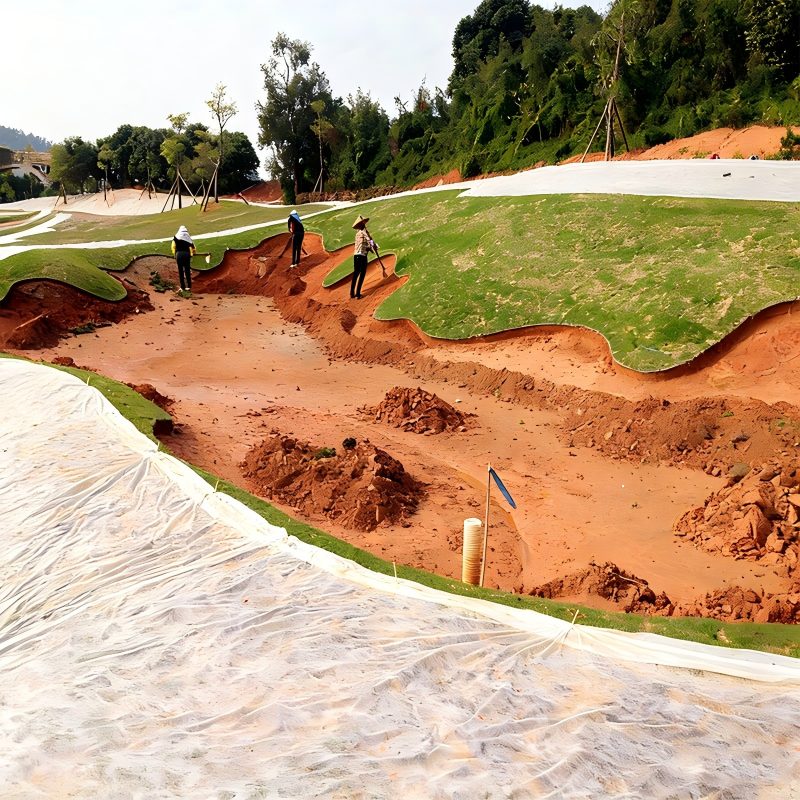
How to Choose a Geogrid Manufacturer and Compare Quotations

How to Choose a Geogrid Manufacturer and Compare Quotations

Compare geogrid manufacturers by specifications, test reports, delivery terms, and total costs. Use a clear quotation checklist before placing your order.
Read More
Products
Contacts
WhatsApp
Email